Does Your Skin Get Used to the Sun?
The truth about tanning, tolerance, and sunburn — and why "toughening up" isn't the protection you think it is.
Every summer, the same logic tempts us: if I just get a base tan first, I won't burn as badly later. It's one of the most common beliefs about sun exposure — and it contains just enough truth to be genuinely misleading. So does your skin actually get used to the sun? The short answer is yes, in a limited way. The longer answer is far more complicated — and a lot more important.
What Actually Happens When You Tan
When ultraviolet (UV) radiation from the sun hits your skin, your body treats it as a threat. In response, specialized cells called melanocytes ramp up production of a pigment called melanin — the same pigment responsible for your natural skin tone. This extra melanin migrates to the surface of your skin and absorbs incoming UV rays, scattering them before they can do deeper damage. The result is a tan: your skin has literally darkened to shield itself.
This process is a real, biological defense mechanism. And yes, a tan does offer some protection against further UV damage.
But here's the catch: even a deep, golden tan only provides a sun protection factor (SPF) of around 2 to 4. Compare that to an SPF 30 sunscreen, which blocks roughly 97% of UVB rays. Your body's best natural defense is, in practical terms, barely a defense at all.
So Will You Burn Less Over Time?
Somewhat — but not enough to matter, and not without cost.
If you spend increasing amounts of time in the sun gradually, your skin does adapt in a few ways:
- Increased melanin production gives you that small bump in protection.
- Skin thickening — repeated UV exposure causes the outer layer of skin (the epidermis) to become slightly thicker, which can reduce sensitivity to burning.
- Delayed tanning response becomes faster in people who tan regularly, meaning the protective pigment kicks in more quickly.
These adaptations are real. But they don't make you immune to UV damage — they just raise the threshold slightly before a visible burn appears. Underneath the surface, DNA damage is still accumulating in your skin cells with every single exposure, tanned or not.
The Dangerous Myth of the "Base Tan"
The idea of getting a base tan before a vacation to "prepare" your skin is widely practiced — and widely misunderstood. Studies have consistently shown that a base tan provides minimal physical protection while giving a false sense of security, causing people to spend longer in the sun without reapplying sunscreen.
Crucially, any tan is a sign that damage has already occurred. The darkening of your skin isn't your body thriving — it's your body reacting to injury. Think of it less like building muscle and more like forming a scar: it's the evidence of harm, not the prevention of it.
What About People Who Never Seem to Burn?
Skin type plays an enormous role here. Dermatologists use the Fitzpatrick scale to classify skin into six types, ranging from very fair (Type I, always burns, never tans) to very dark (Type VI, never burns, deeply pigmented). People with naturally darker skin have higher baseline levels of melanin, which genuinely does offer more UV protection.
But even for those with darker skin tones who rarely experience visible burns, UV damage is still happening. The risk of UV-induced DNA damage, premature aging, and even skin cancer exists across all skin types — it's simply a matter of degree, not of immunity.
The Real Risks of Trying to "Toughen Up" Your Skin
Each time you expose your skin to UV radiation — whether you burn visibly or not — you are accumulating damage at the cellular level. This matters because:
- DNA mutations build up. UV radiation causes direct breaks and mutations in the DNA of skin cells. Your body has repair mechanisms, but they aren't perfect. Over years and decades, these mutations can lead to skin cancer, including melanoma — the deadliest form.
- Collagen breaks down. UV exposure degrades collagen and elastin, the proteins that keep skin firm and elastic. This is the primary driver of premature aging: wrinkles, sagging, and age spots.
- The damage is cumulative and largely invisible. You won't feel it happening. By the time visible changes appear — dark spots, rough texture, fine lines — the damage has been building for years.
One or two bad sunburns in childhood or adolescence have been shown in research to double a person's lifetime risk of melanoma. That's not a reason to panic, but it is a reason to take the question of sun exposure seriously.
Smart Sun Habits That Actually Work
Instead of trying to build a tolerance, these strategies genuinely protect your skin:
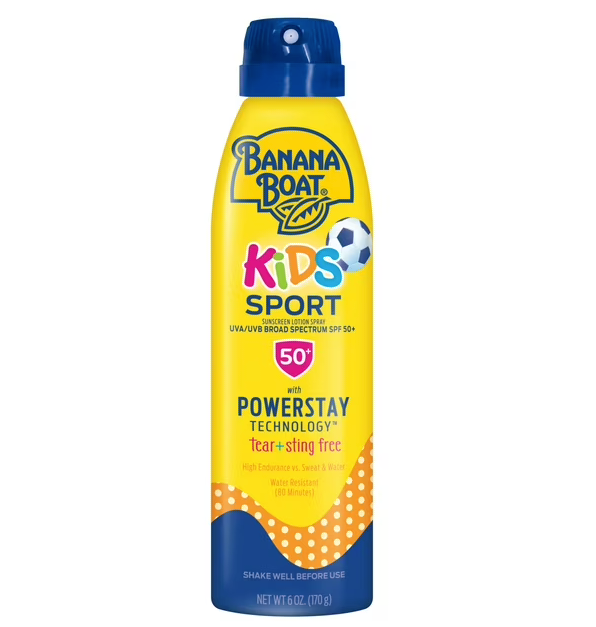
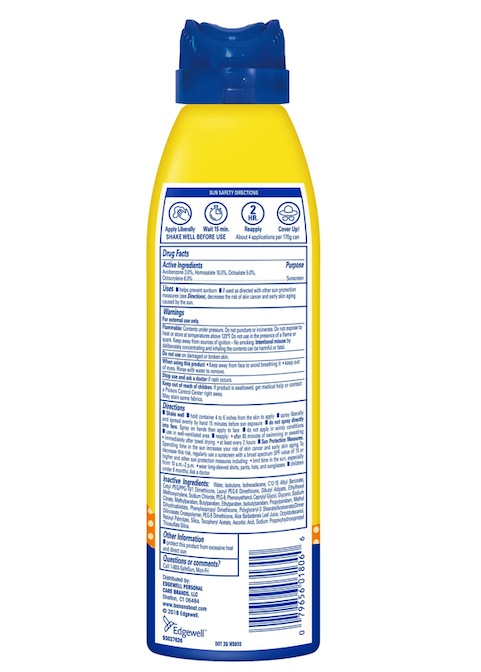
Use broad-spectrum sunscreen — daily. SPF 30 or higher, applied 15–20 minutes before sun exposure and reapplied every two hours (or after swimming or sweating). "Broad-spectrum" means it covers both UVA and UVB rays.
Seek shade during peak hours. UV radiation is strongest between 10 a.m. and 4 p.m. Even on cloudy days, up to 80% of UV rays can penetrate cloud cover.
Wear protective clothing. Tightly woven fabrics, long sleeves, wide-brimmed hats, and UV-blocking sunglasses offer physical barriers that don't wash off or need reapplication.
Don't rely on gradual exposure as protection. Slowly increasing your sun time may reduce visible burning, but it does not meaningfully reduce UV damage at the cellular level.